Sep 24, 2026Buying Guides
Stage Lighting Clamps: Types, Applications and How to Choose
From concerts and touring productions to exhibitions, theaters and event setups, the right lighting clamp can make installation faster while providing a secure connection between the fixture
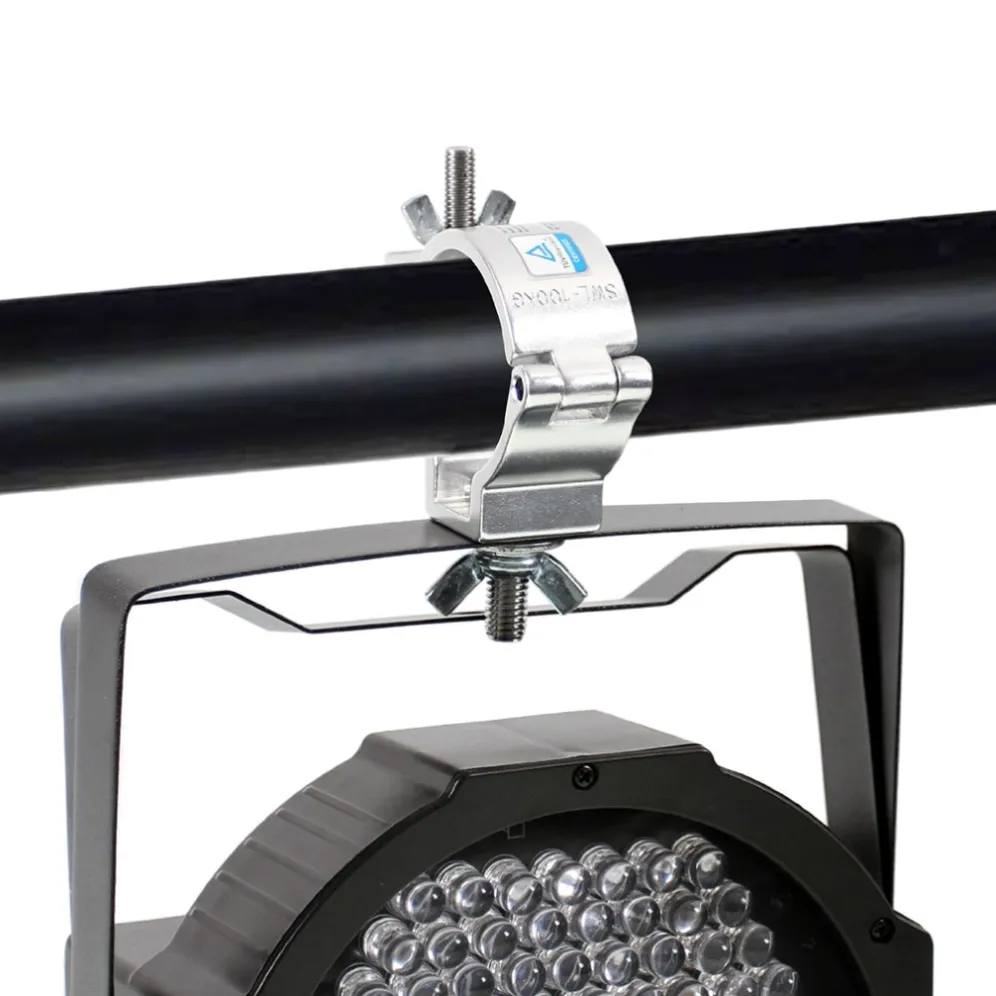
Two common options are fixed lighting clamps and quick-release lighting clamps. Understanding the differences can help you choose the right solution for your project.
1. Fixed Lighting Clamps
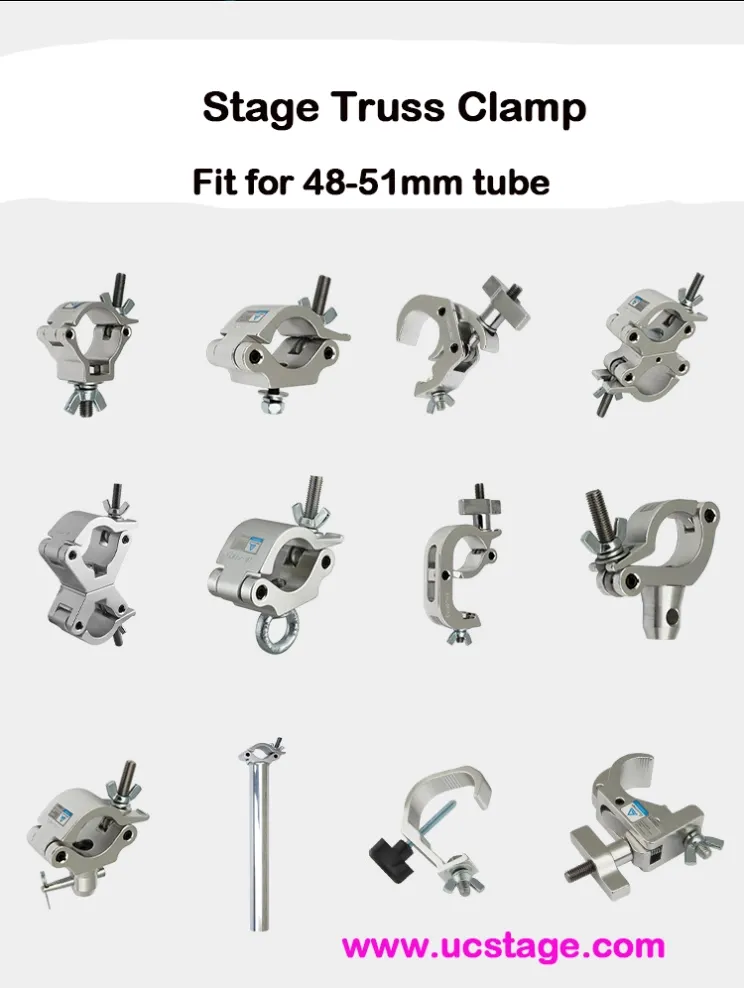
A fixed lighting clamp uses a threaded bolt, nut or wing nut to secure the clamp around the truss tube.
The design is simple and practical, making this type of clamp suitable for a wide range of stage lighting applications.
Typical advantages:
- Simple construction
- Secure fastening
- Easy to install
- Suitable for regular stage setups
- Cost-effective for larger quantities
This type of clamp can be a practical choice for rental companies, event suppliers and production teams that need reliable lighting mounting hardware for standard installations.
2. Quick-Release Lighting Clamps
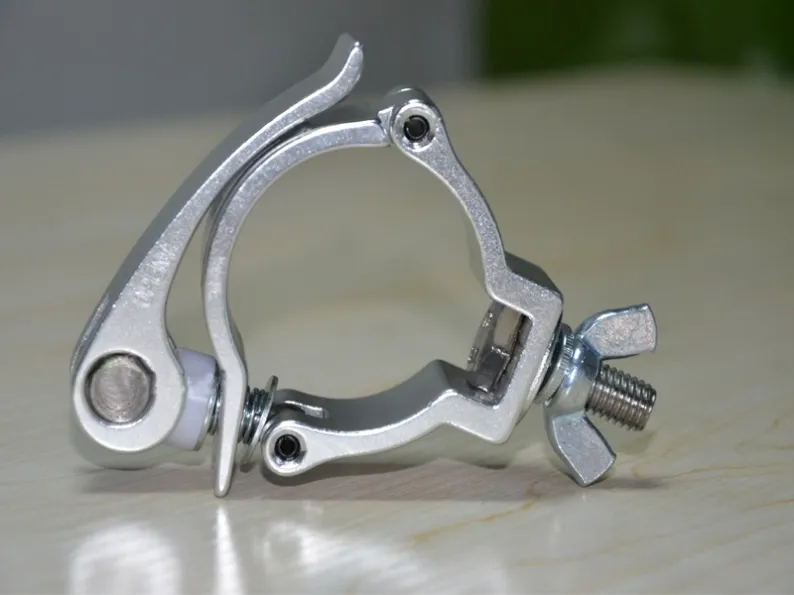
Quick-release clamps are designed for applications where lighting fixtures need to be installed and removed frequently.
Instead of completely removing the fastening hardware each time, the clamp can be opened and closed using its quick-release mechanism.
This can save time during:
- Concert setup
- Touring productions
- Event rentals
- Temporary stages
- Frequent equipment changes
For production and rental companies, installation speed can be particularly important when dozens of lighting fixtures need to be mounted or removed within a limited setup window.
3. What Should You Consider When Choosing a Lighting Clamp?
Truss Tube Diameter
The clamp must be compatible with the diameter of the truss tube or pipe.
Before ordering, confirm:
- Tube diameter
- Clamp opening range
- Truss profile
- Mounting position
A properly fitted clamp should provide a secure connection without damaging the truss tube.
Load Capacity
Always check the manufacturer's specified working load limit or rated capacity.
The total suspended load should include the lighting fixture and any additional equipment attached to the mounting point.
Never select a clamp based only on appearance or physical size. The clamp, fixture, truss and other components should all be suitable for the intended application.
Mounting Method
Different lighting fixtures may use different mounting arrangements.
When selecting a clamp, check:
- Mounting bolt size
- Thread specification
- Fixture mounting hole
- Required mounting orientation
The clamp should match both the truss and the lighting fixture.
Installation Speed
Think about how often the equipment will be installed and removed.
For occasional or fixed setups:
A conventional fixed clamp may be sufficient.
For rental, touring or frequent event setups:
A quick-release design can make installation and removal more efficient.
This is one of the biggest practical differences between the two designs.
4. Fixed vs Quick-Release Lighting Clamps
Feature | Fixed Clamp | Quick-Release Clamp |
|---|---|---|
Installation | Standard | Faster |
Structure | Simple | Quick-release mechanism |
Frequent setup | Suitable | Particularly convenient |
Rental applications | Suitable | Well suited |
Cost consideration | Usually economical | Depends on design |
Best for | Regular installations | Frequent installation/removal |
The right choice depends on your application rather than simply choosing the more complicated design.
5. Don't Forget the Safety Cable
For overhead lighting applications, the lighting clamp should not be considered the only safety measure.
Where required, use an appropriate secondary safety cable or safety attachment according to the fixture manufacturer's instructions, venue requirements and applicable regulations.
Before each use, inspect the clamp, fastening components and safety attachment for signs of damage, deformation or excessive wear.
6. Choosing the Right Lighting Clamp for Your Project
A simple checklist can help:
✓ What is the truss tube diameter?
✓ How much does the lighting fixture weigh?
✓ What load capacity is required?
✓ How frequently will the fixture be installed and removed?
✓ What mounting bolt/thread does the fixture use?
✓ Is a quick-release design useful for your application?
✓ Is a secondary safety attachment required?
Once these specifications are clear, choosing the right clamp becomes much easier.